
Geek Bar Pulse X 25K Disposable Vape: Is It Really Worth It in 2026?
If you are spending money on disposable vapes every few days, you are not alone. Many adult users get frustrated

People search “how many calories are in a vape” because they want clear answers—not scientific confusion, not marketing talk. And if you use vapes daily, it’s normal to wonder whether the puff you’re taking adds calories to your diet or affects your fitness goals.
This guide is built for Vapes Castle readers who want simple explanations, expert-level clarity, and information based on real-world experience, not myths. You’ll also find unique insights missing from competitor sites, explained in easy English, with a friendly, conversation-like tone.
Most people assume that because some vape liquids contain VG, PG, nicotine, and flavorings, there must be calories hidden inside each puff. You might have also heard people say vaping “feels like eating dessert,” which makes the calorie question even stronger.
Here’s the short answer:
You don’t digest vapor the same way you digest food. Almost all of it is exhaled, not metabolized. So even if the ingredients have trace calories, they never count toward your daily intake.
But let’s slow down and unpack this properly.
You’re not alone if you’ve wondered. Searching for clarity is a sign you care about your health.
E-liquid ingredients include:
| Ingredient | Purpose | Calories? | Do you absorb it? |
|---|---|---|---|
| VG (Vegetable Glycerin) | Produces thick vapor | Yes, high calories in liquid form | No |
| PG (Propylene Glycol) | Carries flavor | Very low | No |
| Flavorings | Taste | Negligible | No |
| Nicotine | Stimulates brain receptors | No | No calories |
When you eat or drink calories, your digestive system breaks them down and converts them into energy.
But when you vape:
So even though VG is calorie-dense when eaten, vaping it doesn’t deliver calories to your body.
It has particles, but they’re not “calories you consume.”
No. The sweetness comes from food-safe flavor molecules, not sugar.
Dessert vapes may taste like donuts, but you’re not absorbing donut calories.
Here’s the final, science-backed answer:
That’s why vapes don’t interfere with:
This is one of the most misunderstood vaping topics online, but now you know the truth.
Competitor websites rarely explain this section properly, but it’s one of the most important parts of the discussion. Calories aren’t the issue—appetite and behavior are.
It blocks hunger hormones temporarily.
That’s why some people snack less when they vape.
This effect is mild, but real.
It burns a few more calories per day, but nothing dramatic.
Once you quit:
This has nothing to do with “vape calories.”
Generally, no.
However, flavor psychology plays a role:
Some users say vaping felt like a replacement for:
But remember: vaping should not be used as a diet strategy. It’s just a behavioral crossover that happens naturally for some.
Some people think disposable vapes have more calories than refillable ones. Let’s clear that up.
Calories in e-liquids come mainly from VG.
Different devices don’t change that.
Nicotine doesn’t contain calories.
So nicotine level doesn’t affect calorie content.
Technically, yes, in liquid form.
But again, your body doesn’t use them.
Even if a vape liquid is 70% VG or 80% VG, the caloric difference does not affect your body or diet.
If you’re counting calories or trying to lose weight, here’s the truth:
But there are real-world effects worth knowing:
Some people replace snacking with vaping, especially with sweet flavors.
This makes you feel like you’re hungry when you’re not. Drinking more water helps.
Useful for some, but this isn’t a health strategy.
Purely due to behavior—not calories.
Some gym-goers think vaping sugar flavors feels like drinking calories.
But no calories enter your bloodstream.
No.
But it also isn’t a weight-gain tool.
Sweet vape: 0 usable calories
Small chocolate bar: 200+ calories
Soda can: 150 calories
Energy drink: 110 calories
This is why some people switch to sweet-flavored vapes during diet phases.
When it comes to understanding vaping, it’s always good to consult reliable sources. Here are some reputable external links to help you explore the science and health perspective behind vapes:
The NHS provides a clear and practical overview of vaping, including safety tips and how it compares to smoking. It’s a trusted source for vapers looking for evidence-based guidance.
Visit NHS: Vaping Guidance
The Centers for Disease Control and Prevention breaks down what’s in vape aerosol, helping readers understand what they inhale and potential health considerations.
Visit CDC: Vape Ingredients
This research article explains how nicotine affects appetite, metabolism, and cravings, providing insight into the indirect effects vaping may have on weight.
Read Research on Nicotine Metabolism
No. You inhale vapor—not digest it.
No. The calories aren’t absorbed.
Only indirectly, if you snack more or use high-nicotine devices that affect cravings.
Negligible amounts, and not absorbed.
No. All e-liquids follow the same principle.
Sweetness comes from aromas, not sugar.
Some people feel satisfied after sweet flavors, but this isn’t a diet tool.
Same trace calories from VG/PG, but not absorbed.
No. Vapor quantity does not equal calorie intake.
Both affect appetite, but neither should be used for weight management.
Vaping contains tiny trace calories from its ingredients, but your body does not absorb them. This means vaping does not affect your calorie deficit, weight-loss goals, or overall daily calorie intake. The real effects come from appetite changes, flavor cravings, and nicotine behavior—not from calorie absorption.
If you’re a calorie-conscious user, a new vaper, or someone simply curious about how vaping affects your lifestyle, you now have the full picture—based on science and real-world experience.
For more helpful guides, expert explanations, and high-quality products, explore Vapes Castle today.
Whether you’re choosing your first device or switching flavors, we’re here to help you find the perfect fit.
If you are spending money on disposable vapes every few days, you are not alone. Many adult users get frustrated
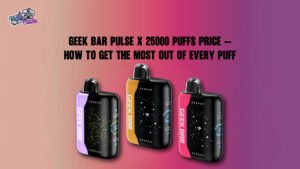
Vaping is more than just a habit—it’s about flavor, experience, and satisfaction. Disposable vapes have grown in popularity because they
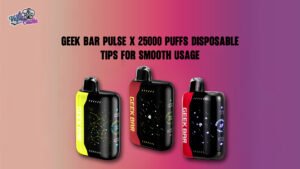
Why Using Geek Bar Pulse X 25000 Puffs Disposable Can Be Tricky If you’re new to high-capacity disposable vapes, the

Vaping shouldn’t be a gamble. With so many disposable options flooding the market, choosing a device that delivers reliable flavor,